The Wait Is the Work: What a Joinery Lead Time Is Really Spent On
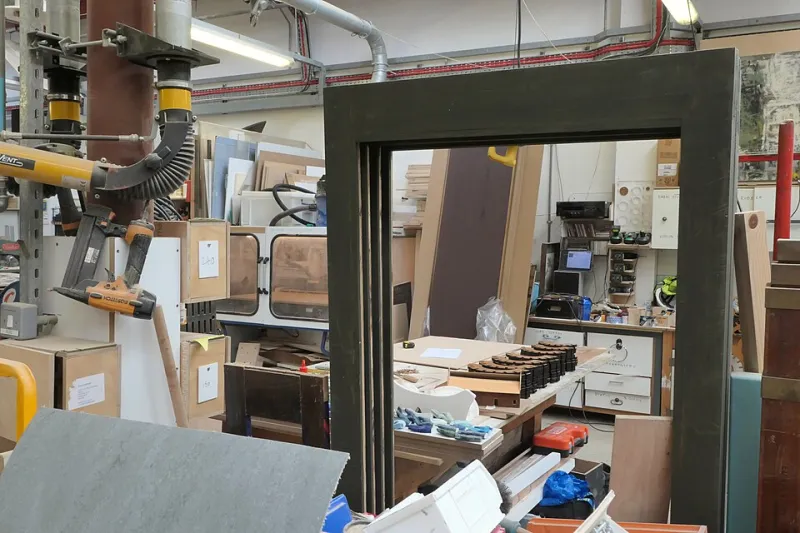
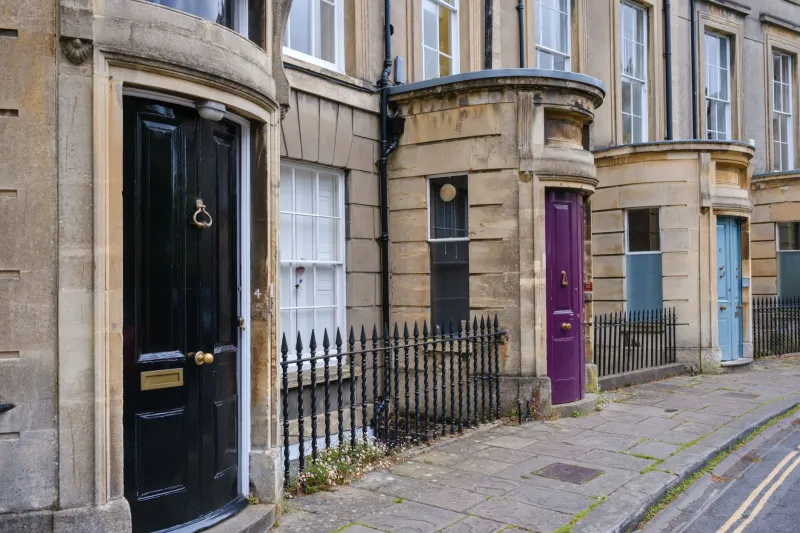
Photo: Magnus Hagdorn from UK, CC BY-SA 2.0, via Wikimedia Commons
There's a question that comes up in almost every first conversation we have with a homeowner, and it arrives before the tea has gone cold. How long will it take?
Fair question. If you can order a sofa on a Tuesday and have it on the drive by Friday, sixteen weeks for a run of alcove shelving can sound like a small eternity. So rather than dress it up, here's the plain version of what actually happens between the deposit clearing and the last hinge being adjusted.
Why the answer isn't a number we invent
Lead times get quoted as a single figure because that's what people ask for, but the honest version is a range, and the range depends on the job. A single built-in cupboard and a whole room's worth of fitted furniture are not the same animal. Timber species matter. Sprayed finish versus hand-oiled matters. Whether your walls are square — and in a 1930s semi they usually aren't — matters a great deal.
What we try to give at the outset is a realistic window plus the reasons behind it. If that sounds like hedging, consider the alternative: a workshop that promises eight weeks and delivers fourteen hasn't been efficient, it's been optimistic at your expense.
Weeks one to three: drawings, and the arguments we have with them
Design development is where a job is quietly won or lost. Dimensions get checked against the survey, appliances get confirmed, door styles get settled, and the joiner who will actually build the thing reads through the drawings and finds the problems.
That last part is worth dwelling on. A good chunk of early workshop time involves somebody standing in front of a plan saying "that won't work". Handles that clash with a drawer stack. A cornice that fouls a picture rail. A sink unit that leaves no room for the boiler. Better we have that argument in week two than on your landing in week twelve.
Timber isn't a catalogue item
We work with a handful of merchants and sawmills, and the boards we want are not always sitting on a shelf waiting for us. Oak, in particular, comes with grain patterns that need matching across a run of doors, and if we're finishing a whole room we'll often pull boards from the same batch so the colour reads consistently from one end to the other.
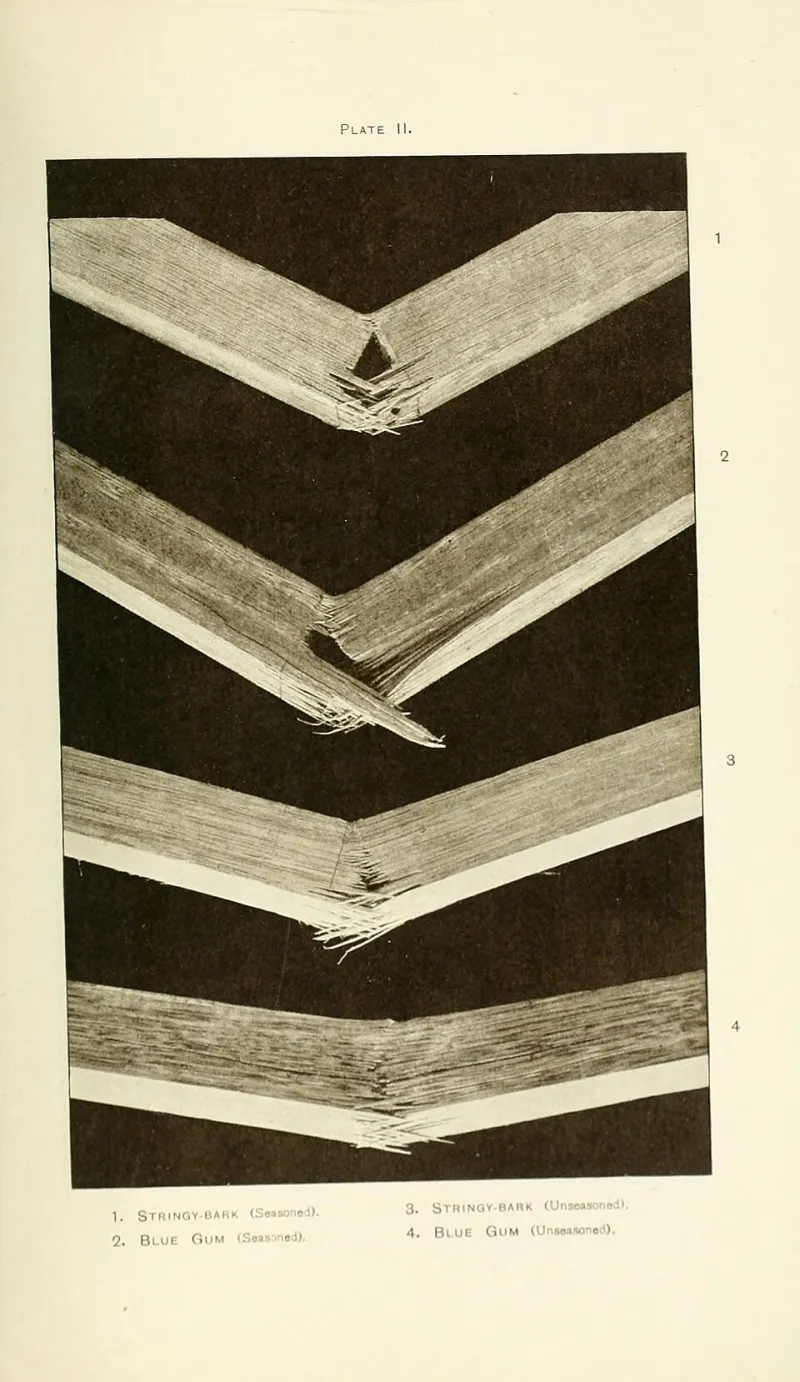
Ordering, delivery and acclimatisation all sit in the calendar. Timber needs to settle into workshop conditions before it's cut, otherwise you're building in a movement problem that shows up six months later as a hairline gap you can't un-see.
The workshop is not a warehouse
Bespoke work doesn't get picked off a shelf. Cutting, machining and assembly for one room can easily account for several days of hands-on time, and a run of ten doors has to be built, fitted dry, checked, taken apart and finished.
There's also the queue. A small workshop taking on more work than it can physically build isn't a growing business — it's a business about to let somebody down. Being told we can start in eight weeks rather than two is often a sign the diary is honest.
Finishing takes longest and gets photographed least
Everyone photographs the finished kitchen. Nobody photographs day four of a sprayed finish, when a set of doors is hanging in a drying area waiting for the next coat.
Paint and lacquer need time between coats, controlled conditions, and then a curing period before anything gets stacked or wrapped. Rushing it is how you end up with a surface that marks the first time somebody puts a mug down on it. Oil finishes are quicker per coat but want more of them. Either way, we're talking days, not hours.
Fitting is a fortnight of small decisions
Installation gets scheduled once the room is ready and, crucially, once the furniture exists. That sounds obvious, but it's a big part of why lead times stretch: the fit has to land after plastering, after flooring, after electrics, and before anyone loses patience and moves the fridge back in.
In older houses, fitting day almost always involves scribing, packing and adjusting. The walls won't be plumb, the floor won't be level, and the ceiling will dip somewhere near the chimney breast. A careful fitter spends a surprising amount of the day making sure nobody can tell any of that happened.
What a very short lead time usually means
Sometimes a short lead time is genuine, and it's usually because the workshop is quiet, the design is simple and the timber is already in stock. Those jobs exist, and they're lovely to do.
More often, a suspiciously short quote means one of three things: the drawing work has been skimped, the timber is a standard board to be sawn and finished as quickly as possible, or the work is being subcontracted to somebody whose diary you can't see. None of those are automatically bad. But you should ask, because a lead time is a statement about how the work will be made.
The comparison that actually matters
Off-the-shelf furniture wins on speed, and it should, because it was made before you asked for it. Bespoke joinery wins on fit, on material, and on the fact that a run of units will still be doing its job in twenty years when the flat-pack equivalent has been replaced twice.
Sixteen weeks feels long while you're living with the mess and the dust sheets. It feels considerably shorter once the room is done and nothing needs doing to it again. That's the trade, and it's a fair one.
Questions worth asking before you pay a deposit
Ask how many jobs the workshop runs at once. Ask who is actually building the furniture. Ask what happens if the timber delivery slips, and who absorbs that delay. Ask when the final measurement happens and what triggers it.
A joinery firm that can answer those plainly has thought properly about its lead time — and that's usually a better indicator of quality than a number on a quote.